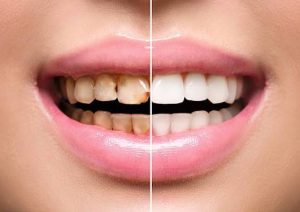
Covering Stubborn Stains That Whitening Treatments Simply Cannot Remove Completely
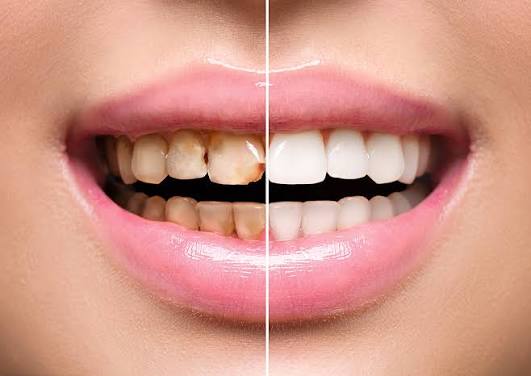
Porcelain veneers are one of those dental options that quietly change how a person smiles in photos. They are thin shells bonded over the front surface of teeth. Many patients turn to them after bleaching gels fail to lift deep discoloration. A smile makeover with veneers hides those marks instead of trying to fade them. The finished look is bright, even, and surprisingly lifelike. Understanding how they work helps you decide whether they suit your mouth.
Not All Discoloration Responds
Surface marks sit on the outer enamel layer. Bleaching gels usually lift these quite well. Deeper discoloration forms inside the tooth structure itself. Gels struggle to reach that inner layer, so results often stay patchy.
Common Causes of Deep Marks
Certain antibiotics taken in childhood can leave grey or brown bands. Too much fluoride during early years may create white or brown spots. An injury can darken a single front tooth over time. Thinning enamel with age also reveals the yellow layer underneath.
Signs Veneers May Suit You
Veneers are not the right fit for every smile. These signs suggest they could work well for you.
- Discoloration remains visible even after two professional bleaching rounds.
- One darkened front tooth stands out against brighter neighbours.
- White or brown spots appear scattered across several upper teeth.
- Small chips or uneven edges accompany the colour problem.
- Gaps between front teeth bother you alongside the shading issue.
- Gums are healthy with no active decay present right now.
- You want a lasting change rather than repeated touch-ups.
- Your bite is stable without heavy grinding at night.
How the Process Usually Unfolds
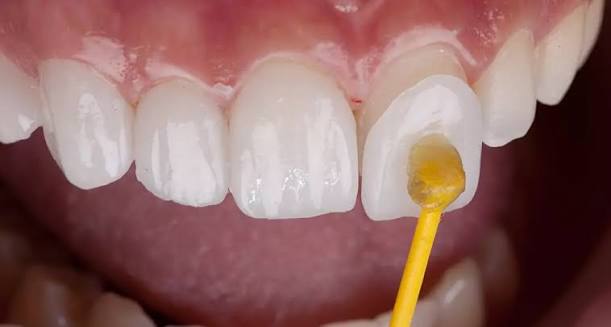
Most treatment plans need two or three visits over a few weeks. The dentist first removes a very thin layer of enamel from each tooth. Impressions or scans then guide a lab in crafting each shell. A planned smile makeover with veneers ends with careful bonding followed by a bite check.
Choosing the Right Shade
Your dentist matches the shade to your skin tone along with eye colour. Very bright white can look artificial on some faces. A trial smile using temporary shells lets you preview the colour first.
Comparing Options for Deep Discoloration Today
Several approaches can address marks that bleaching leaves behind. Each option differs in durability as well as enamel removal. Some suit a single tooth better than a full row. The table below outlines the main choices.
| Option | Best For | Enamel Removed | Typical Lifespan |
| Professional bleaching | Surface marks | None | Six months to two years |
| Composite bonding | Small spots on one or two teeth | Very little | Five to seven years |
| Porcelain veneers | Deep, widespread discoloration | Thin layer | Ten to fifteen years or more |
| Dental crowns | Badly damaged or weak teeth | Significant | Ten to fifteen years |
| Micro abrasion | Shallow white spots | Tiny surface layer | Permanent for shallow spots |
Caring for Veneers Long Term
Brush twice daily using a soft brush with non-abrasive toothpaste. Floss gently around the edges where shells meet the gums. Porcelain resists discoloration, but the bonding edge can still darken slightly. Avoid using your teeth to open packets or bottles.
Common Patient Doubts Answered
- Does the dentist need to shave down healthy teeth for veneers? Usually only a thin enamel layer, about half a millimetre, is removed.
- Will veneers change colour over time the way natural teeth do? Porcelain keeps its shade well, though bonding edges may darken slightly.
- How many visits does a typical veneer treatment plan require? Most plans need two to three visits spread over two weeks.
- Should I bleach my other teeth before getting veneers placed? Yes, bleaching first helps match veneers to your brightest natural shade.
- Does getting veneers hurt during the preparation or bonding stage? Local anaesthetic keeps the process comfortable for nearly all patients.
- Will one darkened front tooth need a single veneer only? Sometimes, though, matching one veneer to neighbours requires careful shade work.
Careful Planning Brings Lasting Confidence
Deep colour problems need a solution that sits above the enamel rather than inside it. Custom coverings offer that by masking what peroxide products never reach. Success depends on healthy gums along with a well-matched shade. Regular check-ups protect the investment for well over a decade. Steady care each day matters far more than chasing a flawless appearance.