Advanced Care: Treatment Options for Proliferative Diabetic Retinopathy
Discovering that diabetes has begun to affect your vision can be an incredibly daunting experience. Among the various stages of eye complications, Proliferative Diabetic Retinopathy (PDR) represents the advanced phase where the retina, starved of oxygen, begins sprouting fragile, abnormal new blood vessels. Left unchecked, these weak vessels can leak fluid, cause severe scarring, and potentially lead to profound, irreversible vision loss.
Fortunately, modern medicine offers highly effective interventions designed to halt the progression of diabetic retinopathy, protect your remaining sight, and even restore lost vision. Managing this condition requires a sophisticated, multi-layered approach tailored to the unique structural state of your eyes.
The Chemical Shield: Anti-VEGF Injections
One of the most revolutionary breakthroughs in managing advanced diabetic retinopathy is the introduction of anti-VEGF (Vascular Endothelial Growth Factor) therapy. VEGF is a specific protein your body naturally produces when the retina lacks adequate blood flow. This protein signals the eye to grow those problematic, fragile new blood vessels in a desperate bid to restore oxygen levels.
Anti-VEGF medications, delivered via periodic, virtually painless micro-injections directly into the vitreous gel of the eye, effectively neutralize this protein. By blocking this chemical trigger, these injections cause existing abnormal vessels to shrink, regress, and prevent new ones from forming. For many patients navigating severe diabetic retinopathy, this treatment serves as the first line of defense, often stabilizing or even significantly improving visual acuity over time.
The Timeless Anchor: Panretinal Photocoagulation (PRP)
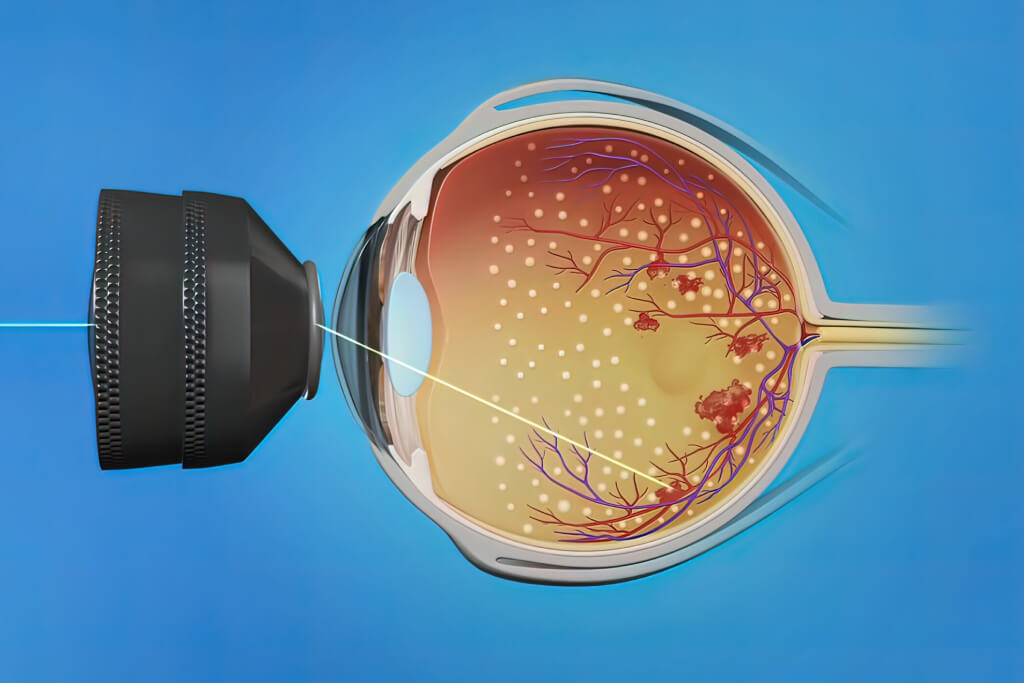
Before the era of injections, a specialized laser treatment known as Panretinal Photocoagulation (PRP) was the absolute gold standard, and it remains a cornerstone of long-term eye preservation today. During a PRP procedure, a retina specialist applies targeted laser burns to the peripheral areas of the retina, away from your central vision.
While intentionally treating sections of the peripheral retina might sound counterintuitive, it serves a vital physiological purpose. By sacrificing these oxygen-starved outer edges, the laser reduces the eye’s overall demand for oxygen and nutrients.
Consequently, the biological stimulus to create abnormal vessels vanishes, allowing the eye to divert its limited resources to protect your precious central vision. PRP provides a durable, long-lasting defense against the relentless progression of diabetic retinopathy.
Surgical Intervention: Vitrectomy for Advanced Cases
Sometimes, the abnormal blood vessels bleed heavily into the vitreous gel—the clear, jelly-like substance filling the center of the eye—clouding your vision like a drop of dark ink in a glass of water. In other instances, contracting scar tissue tugs violently on the retina, threatening a tractional retinal detachment. When these advanced complications arise, a surgical procedure called a vitrectomy becomes necessary.
During a vitrectomy, a retinal surgeon microsurgically removes the blood-stained vitreous gel from the eye and replaces it with a crystal-clear saline solution, gas bubble, or silicone oil.
What to Expect: This clear replacement immediately restores a transparent pathway for light to reach the retina. During the same surgery, the specialist can also clear away tugging scar tissue and apply intraoperative laser therapy to address the root causes of the diabetic retinopathy flare-up.
The Foundation: Systemic Health and Lifestyle
While lasers, injections, and surgeries do the heavy lifting inside the clinic, the ultimate success of any medical intervention heavily relies on what happens at home. Strict management of your blood glucose levels, blood pressure, and cholesterol is absolutely non-negotiable.
Keeping these numbers within a healthy target range slows the underlying vascular damage that fuels eye complications in the first place. Think of medical treatments as putting out the immediate fire, while managing your systemic health is what prevents the fire from starting again. Without systemic control, the eye will continue to suffer damage regardless of medical intervention.
Taking Control of Your Vision Journey
Receiving a diagnosis of Proliferative Diabetic Retinopathy does not mean you are powerless against vision loss. With the diverse array of sophisticated treatments available today, the condition is highly manageable.
The absolute key to saving your sight is early detection, consistent monitoring, and prompt action. By working closely with a retina specialist and staying committed to your overall health, you can successfully navigate this diagnosis and preserve your vision for years to come.